In the highly competitive garment manufacturing and fashion industry, investing in a cutting-edge Quality Management System (QMS) is crucial. This article offers an in-depth view of garment QMS essentials, related costs, benefits of digital transformation, and why solutions like BlueKaktus are leading the way. It will guide businesses on how quality management can drive profitability, sustainability, and customer satisfaction.
Introduction: The Critical Role of Quality Management in Garment Manufacturing
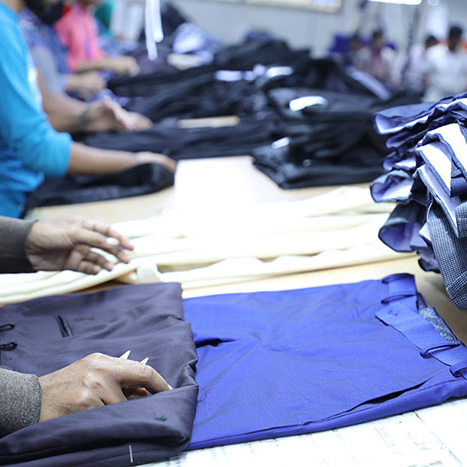
Competition in garment manufacturing is intense, with brands across the globe racing to deliver superior products efficiently. Quality has become a defining factor for brand survival and growth. Beyond aesthetics, quality management encompasses managing raw materials, production consistency, defect prevention, compliance with buyer specifications, and efficient resource use.
Why invest in a quality management system? Because quality control done right, starting from procurement, reduces defects, avoids waste, improves customer satisfaction, and lowers costs related to rework and returns.
A Quality Management System organizes all policies, procedures, planning, roles, and responsibilities under one umbrella to ensure consistent quality output. It enables companies to build processes that maintain quality standards aligned with customer expectations and regulatory requirements.
What is a Garment Quality Management System?
Definition and Scope
A garment QMS is a documented, systematized framework covering every quality-related process: inspection, control, assurance, and improvement. It includes:
- Incoming material inspection — fabric, trims, accessories
- In-line production control — sewing, stitching, assembly checks
- Final product inspection
- Documentation and reporting of defects
- Corrective and preventive actions
- Training and evaluation of quality personnel
- Vendor and supplier quality evaluation
- Packing and shipment approval
It integrates quality activities into every operational stage, coordinated through standard operating procedures (SOPs), audit schedules, and inspection plans.
Components of a Robust Garment QMS
- Policy and Objectives: Define quality goals aligned with buyer demands.
- Process Documentation: Quality manuals, SOPs, work instructions.
- Inspection and Audit Mechanisms: Incoming material checks, in-process inspections, final audits with AQL (Acceptance Quality Limit) standards.
- Responsibility Framework: Assign roles for quality controllers, merchandisers, managers.
- Training Systems: Continuous education for quality teams on methods, tools, and updates.
- Metrics and Monitoring: Use key performance indicators (KPIs) and dashboards to track defects, rejections, and corrective actions.
- Feedback Loop: Regular reviews and corrective actions to foster continuous improvement.
Key Elements of Quality Management in Apparel
1. Quality Assurance (QA)
QA focuses on process planning, monitoring, and preventive measures to ensure products are defect-free before final inspection. It encompasses:
- Standardizing sewing and finishing processes
- Regular calibration of machines
- Sampling methodologies based on AQL charts
- On-field inspections to spot defects early
- Documentation of inspection results and distribution of responsibilities
This ensures consistency and efficiency, minimizing surprises during final quality checks.
2. Cost of Quality (COQ)
In apparel, COQ is the aggregate cost associated with preventing poor quality and dealing with failures, categorized into:
- Prevention Costs: Training, process improvement, preventive maintenance.
- Appraisal Costs: Inspection, audits, sample testing.
- Internal Failure Costs: Rework, scrap, downtime.
- External Failure Costs: Returns, warranty claims, loss of goodwill.
An effective QMS reduces COQ by investing in prevention and early detection rather than expensive rectifications. Studies show brands with optimized QMS can cut production quality costs by 15-20%, increasing profitability.
Why Digital Quality Management is the Future of Apparel Manufacturing
Despite advances in digital technologies elsewhere, many apparel brands still rely on manual quality inspections. This results in delays, inconsistent reporting, and less control over defect data.
Advantages of Digital QMS Solutions like BlueKaktus and Tekmon
- Real-time Access to inspection data on mobile devices improves response speed.
- Photo Capture Integration enables instant visual documentation of defects.
- Automated Sampling based on predefined criteria like AQL standards.
- Geotagged Audit Reporting enhances transparency and accountability.
- Dashboards and Analytics visualize defect trends for data-driven decision making.
- Workflow Automation tracks inspection schedules, approvals, and corrective actions.
- Integrations with ERP and SCM systems streamline operations.
These features translate to faster problem-solving, fewer defective shipments, and significant labor and material savings.
In-Depth Look At BlueKaktus Quality Management System
BlueKaktus offers a specialized fashion-focused QMS platform combining:
- Vendor slot approvals and scheduling
- Audit and inspection tracking managed in real-time
- Digital inspection certificates removing paperwork
- Multi-level defect management accommodating variable AQL levels
- Calendar workflows to set quality milestones
- Mobile applications to empower quality controllers on the field
By providing end-to-end supply chain visibility and automated inspection workflows, BlueKaktus helps brands reduce quality-related costs and improve operational efficiency.
Industry Best Practices for Implementing Garment QMS
Pre-Production Stage
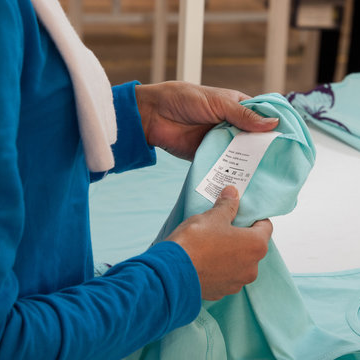
- Raw Material Inspection: Test fabric for colorfastness, tensile/tear strength, shrinkage, and defects.
- Supplier Evaluation: Assess supplier capability, past quality performance, and certifications.
- Approved Samples: Use buyer-approved prototypes as quality benchmarks.
In-Process Production Controls
- Inline Inspections: Monitor tension, stitch density, seam alignment continually.
- Operating Procedures: Follow SOPs thoroughly and calibrate machinery regularly.
- Zero Defect Stations: Inspect 100% of garments after critical processes like sewing and finishing.
- Real-time Data Logging: Use mobile devices to record defects immediately.
Final Inspection and Packaging
- Random Sampling: Conduct final AQL inspections before packing.
- Packing Approvals: Authorized personnel approve finished lots before shipment.
- Documentation: Ensure quality certificates, inspection reports, and compliance documents are complete.
Training and Continuous Improvement: The Foundation of Quality Excellence
Continuous training ensures that quality teams can identify defects accurately and understand root causes. It involves:
- Regular workshops on quality tools like Fishbone diagrams and Pareto analysis
- Statistical quality control methods (SPC, control charts)
- Practical defect identification and classifying
- Evaluation and feedback cycles
Regular review meetings analyzing quality reports ensure corrective actions are implemented to prevent recurrence.
Benefits of Investing in a Next-Gen Quality Management System for Garments
| Benefits |
Description |
| Reduced Defects |
Early defect detection prevents large-scale production errors |
| Lower Production Costs |
Optimized inspection reduces material and labor waste |
| Compliance Assurance |
Integrated standards management aligns with ISO, REACH, and buyer-specific norms |
| Enhanced Customer Loyalty |
Quality consistency builds brand trust and repeat business |
| Transparent Operations |
Real-time insights and data sharing build internal and external confidence |
| Efficient Resource Usage |
Streamlined processes save time and improve capacity utilization |
| Scalability and Flexibility |
Digital workflows adapt easily to changing product lines and volumes |
Case Study Snapshot: Quality Transformation Through BlueKaktus QMS
A mid-sized garment manufacturer implemented BlueKaktus QMS and experienced:
- 18% decrease in quality-related rework costs in first 6 months
- Real-time defect reporting cut inspection delays by 25%
- Enhanced coordination reduced late-stage packing errors by 30%
- Mobile audit reports improved accountability and supplier compliance tracking
How to Choose the Right Garment Quality Management System
When selecting a QMS software, consider:
- Industry specificity: Does it handle fashion and apparel workflows?
- Mobile capability: Can inspections be done onsite with mobile apps?
- Real-time dashboards: Are defect analytics accessible instantly?
- Integration capability: Will it connect to existing ERP/SCM/PLM systems?
- Customization: Can inspection criteria and workflow steps be tailored?
- Support and training: Vendor support quality and onboarding assistance
Conclusion: Securing Your Garment Brand’s Future Through Quality Investment
A comprehensive, digital-enabled Quality Management System is no longer just a quality control tool—it is an integral component of successful garment business operations. Investing in a system like BlueKaktus enables brands to meet market demands with precision, achieve cost efficiencies, strengthen customer confidence, and stay competitive in a fast-evolving apparel landscape.
The future of garment manufacturing is digital, data-driven, and quality-focused. Are you ready to make the investment?